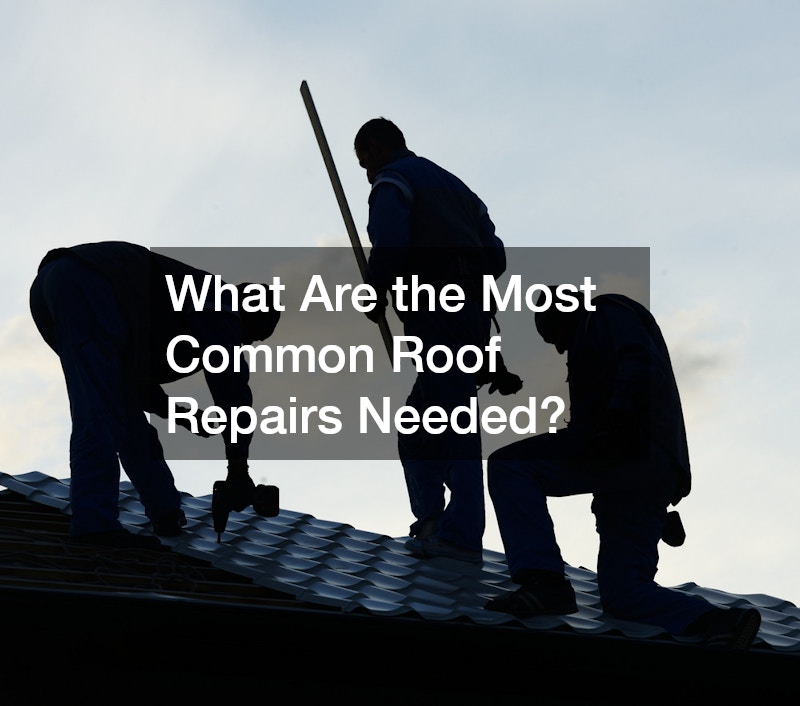
Roof repairs are a critical aspect of home maintenance that can prevent extensive damage and costly expenses in the future. Regular upkeep not only protects the structural integrity of your home but also maintains its value. This article will explore the most common roof repairs needed by homeowners, detailing the causes, symptoms, and solutions. By understanding these issues, homeowners can take proactive measures to ensure their roofs remain in excellent condition.
The discussion will cover leaks, shingle damage, flashing issues, ventilation problems, and gutter concerns, providing a comprehensive guide to roof maintenance.
1. How do Roof Leaks Occur and How to Fix Them?
1.1 Identifying Common Causes of Roof Leaks
Roof leaks are typically caused by a variety of factors, each requiring a specific approach for resolution. Damaged shingles are among the most common culprits, often resulting from harsh weather like hail or heavy wind. Broken flashing, which is used to seal joints and edges, can also lead to leaks when it becomes cracked or loose. Additionally, clogged gutters can prevent proper water drainage, causing water to back up and seep through the roof. Identifying the root cause of a leak is crucial to applying the correct fix and preventing further damage.
Another cause of roof leaks can be the natural wear and tear that occurs over time. As roofing materials age, they lose effectiveness in protecting against the elements. This deterioration makes older roofs particularly vulnerable to leaks. The presence of moss or algae can also lead to leaks by trapping moisture against the roof surface, accelerating decay. Professional roof inspections can help identify these issues early on, allowing homeowners to address potential problem areas before they develop into serious leaks.
Improper roof installation is another frequent source of leaks. If a roof is not correctly installed, it may not provide adequate coverage or protection, leading to vulnerabilities. This includes improperly sealing seams, valleys, or around chimneys and vents. Ensuring a roof is built to industry standards at the outset can prevent many leak issues later. Homeowners should work with reputable contractors who guarantee their workmanship to mitigate these risks. Ultimately, understanding the variety of leak causes is the first step towards effective roof management.
1.2 Signs Your Roof May Be Leaking
Early detection of roof leaks is essential for minimizing damage. One of the most noticeable signs of a leak is the presence of water stains on ceilings or walls within the home. These stains may appear as discolored patches or streaks and often indicate a persistent moisture problem above. In addition to stains, mold growth may also signify a roof leak. Mold thrives in moist environments, and its presence can indicate that water is seeping into the home. Another symptom to watch for is damp or saturated attic insulation, which suggests water infiltration.
A less obvious but equally important sign of a roof leak is an increase in utility bills. When a roof is leaking, it can compromise the home’s insulation, leading to fluctuations in indoor temperature. This often results in higher heating or cooling expenses. Homeowners should also be vigilant for musty odors, which could indicate hidden water damage. Conducting routine inspections, especially after heavy rains or storms, can help in identifying less apparent signs of a leak. Proactive monitoring is key in preventing mild issues from escalating into major repairs.
Homeowners may also notice exterior warning signs of a roof leak. For instance, damaged or missing shingles could expose the roof deck to moisture. If the leak isn’t addressed promptly, moss, algae, or lichen growth can often be seen, indicative of areas that remain damp. Additionally, peeling paint around rooflines or eaves could signal poor gutter drainage due to a leak. Regularly examining both the interior and exterior of a home can provide early clues to potential leak problems. Timely detection and repair can save significant costs over the life of a roof.
1.3 Quick Fixes for Minor Roof Leaks
For minor leaks, homeowners can take immediate steps to mitigate damage. One quick fix involves using a high-quality roof sealant to repair small cracks or holes. This can temporarily stop water ingress until a more permanent solution is implemented. Temporary patching can also be done with roofing tape or a similar material designed for short-term fixes. Homeowners should ensure the area is dry and clean before applying any patching compound for optimal adhesion and effectiveness.
Another simple approach to address minor leaks is redirecting water away from trouble spots. This can be done by clearing debris such as leaves or twigs from gutters, which may prevent proper drainage. If leaks occur around roof protrusions like vents or chimneys, applying a new layer of caulk might suffices temporarily. Always prioritize safety when performing roof work; using appropriate safety gear and working with another person can prevent accidents. Even a basic fix can significantly reduce the risk of further damage until professional help can be obtained.
In some cases, adjusting nearby shingles or adding an underlay may resolve minor leaks temporarily. However, these are not long-term solutions and should only serve as stopgaps until professional repairs are scheduled. It’s advisable to document the repairs performed and monitor their outcomes closely. Repeating minor fixes without addressing the underlying issues can deteriorate the roof’s overall health. Prompt engagement with professional roofing services will ensure that thorough and lasting solutions are applied in a timely manner.
1.4 Professional Repairs for Severe Leaks
When it comes to severe roof leaks, professional repair is often the best course of action. Professional roofers offer the expertise and tools needed to thoroughly address complex creepages. They can perform a complete assessment of the roof’s condition, identifying issues that may not be apparent to the untrained eye. Upon inspection, a qualified contractor will usually remove damaged materials before replacing them with new, robust alternatives. They ensure the comprehensive sealing of joints and edges, reinforcing the roof’s ability to withstand adverse weather.
In addition to immediate crisis management, professionals also offer ongoing maintenance services to extend the roof’s lifespan. This includes preventive measures such as applying protective coatings or installing improved drainage systems. Experienced roofers can recommend products that shield the roof from the elements and detect potential concerns before they escalate. These proactive steps not only extend the roof’s life but also mitigate the risk of future leaks. For extensive leak damage, replacement of entire roof sections might be necessary, highlighting the importance of having skilled professionals on the job.
Investing in professional repairs not only yields a longer-lasting roof but also enhances the home’s resale value. Buyers often look favorably upon homes with evidence of routine maintenance and professional upkeep. For homeowners lacking the skills or equipment to attempt substantial repairs safely, professional intervention is vital. Certified contractors carry insurance, offering peace of mind in the unlikely event of an accident or additional damage during repairs. Partnering with a reputable roofing company ensures a thorough and effective resolution to severe leak problems.
1.5 Preventative Measures to Avoid Future Leaks
Preventing roof leaks requires a proactive approach that includes regular inspection and maintenance. Homeowners should schedule routine maintenance at least twice yearly, ideally during spring and fall, to spot potential issues early. By cleaning gutters regularly and ensuring they are free of debris, you promote efficient water drainage. Proper attic ventilation must also be ensured to prevent moisture buildup, which could otherwise contribute to leaks. Beyond routine maintenance, applying a waterproofing sealant to vulnerable areas on the roof can offer extra protection.
Addressing minor repairs promptly is a crucial preventive measure. Ignoring small issues such as cracked shingles can lead to significant leaks over time as water makes its way into the underlying structure of the home. It is also advisable for homeowners to remain vigilant for signs of roof deterioration after extreme weather conditions. Engaging a professional to examine the roof’s condition following a storm can help catch developing problems early. A focus on prevention can dramatically reduce the likelihood of needing emergency repairs and extend the roof’s lifespan.
Educating oneself about common roofing concerns and learning to spot early warning signs contributes to effective leak prevention. Many resources are available online that can guide homeowners in performing simple inspections. By being well-informed and diligent in your maintenance efforts, you can curb common causes of leaks and secure the roof’s health for years to come. Establishing a proactive maintenance plan safeguards against surprises and underscores the value of preparedness. Ultimately, investing in preventive measures pays dividends by averting costly repairs down the line.
2. What Are the Causes and Solutions for Shingle Damage?
2.1 Different Types of Shingle Damage
Shingle damage poses a significant threat to the overall health and efficiency of a roof. Various factors contribute to damage, including inclement weather conditions such as hailstorms, which can cause cracking or splitting. The intense heat from the sun can also lead to curling or warping over time, compromising the shingles’ protective function. Poor installation techniques can likewise leave shingles vulnerable to tearing or displacement. Understanding the different causes and manifestations of shingle damage is key to implementing effective repair solutions.
Age is another major contributor to shingle deterioration. As shingles age, their materials break down and lose their ability to repel water effectively. Over time, granules on the shingle’s surface may wear away, exposing the underlying material to the elements and accelerating damage. Shingles installed over an existing layer can trap heat and moisture, which may exacerbate wear and tear. Identifying age-related damage early allows homeowners to plan for necessary repairs or full roof replacements, preserving the integrity and appearance of the roof.
Animal activity can also lead to shingle damage. Birds pecking at shingles or small mammals nesting on the roof can loosen or break shingles. Tree limbs brushing against the roof can similarly cause damage over time if left unpruned. To prevent animal-related damage, homeowners can install deterrents or remove overhanging branches. Regularly checking for signs of animal interference can prevent minor problems from becoming significant hazards. Vigilance regarding both natural and man-made factors ensures the longevity and reliability of roofing shingles.
2.2 Identifying Damaged or Missing Shingles
Detecting damaged or missing shingles early is critical to maintaining the structural integrity of a roof. A visual inspection from the ground can often reveal curled or buckled shingles, indicating underlying issues. Missing shingles, commonly identified by exposed patches of roof deck or underlayment, require immediate attention to prevent water ingress. Peeling or flaking of shingle granules, seen as excessive debris in gutters, further signals shingle decay. Engaging a professional to conduct a thorough inspection ensures more subtle signs of damage are not overlooked.
In addition to visual cues, leakage and dampness are indicators of shingle issues. Stains on the ceiling or walls, as well as dripping noises during rainfall, suggest potential shingle problems. Observing shingles after severe weather events is also recommended, as wind and hail can easily dislodge them from their original positions. High winds often lead to bent, lifted, or completely detached shingles, which can be critical vulnerabilities in roof defense. Regularly scheduled inspections allow for precise identification and timely intervention to mend any damage found.
Homeowners should remain on the lookout for black or green streaks on shingles, indicative of algae or moss growth. While not always immediately damaging, these growths can trap moisture and lead to shingle degradation over time. Inspection of flashings, valleys, and roof edges can reveal signs that shingle damage has begun in less visible areas. Implementing a habit of consistent inspection and attention to these details contributes to the integrity and longevity of the roof. Early detection and action help circumvent more extensive and expensive repairs in the future.
2.3 DIY Steps for Replacing Damaged Shingles
Homeowners can learn to safely and effectively replace damaged shingles with the right knowledge and tools. The first step involves gathering essential tools such as a hammer, roofing nails, a pry bar, and replacement shingles that match the existing ones. Ensuring safety by using appropriate gear, including non-slip footwear, harnesses, and fall protection systems, is paramount. Once equipped, the process begins by removing the damaged shingle. Carefully pry it away using a pry bar, being mindful of the surrounding intact shingles to prevent additional damage.
After removing the shingle, inspect the area beneath for any further damage that may have occurred as a result of the breached protection. Applying roofing cement or sealant in spaces where shingles lie can bolster water resistance before securing the new shingle. Align the replacement shingle with adjacent shingles, ensuring a snug fit and consistent patterning. Drive roofing nails through pre-bored holes or as directed by specific shingle design, sealing them with roofing cement for final leak resistance. Repeating this process systematically addresses localized damage efficiently.
While DIY replacements are feasible for minimal damage, complex issues should prompt consultations with professionals. Ensuring new shingles blend aesthetically with the existing roof may require professional assistance to avoid visible mismatches. Color variations, the slope of the roof, and roofing materials’ unique properties might be factors best assessed with professional guidance. For simple fixes, homeowners can apply their skills and attention, utilizing resources like online guides or DIY manuals. Over time, such endeavors foster deeper understanding and skills in home maintenance and self-repair.
2.4 Hiring a Professional for Shingle Repair
Calling in a professional for shingle repair offers advantages beyond the capabilities of most DIY efforts. Professional roofers have the experience to identify not only visibly damaged shingles but also subtler signs of underlying problems. They employ specialized techniques and advanced materials that enhance repair durability and efficiency. Moreover, roofers can complete large-scale repairs or full roof replacements swiftly, ensuring your home’s protection isn’t compromised for long periods. Engaging professionals plays a vital role in maintaining the overall integrity of a roof’s structure and function.
In hiring a roofing contractor, homeowners receive assurances that their homes benefit from optimal materials and techniques. Professionals remain abreast of roofing technologies and materials enhancements that ensure better performance and longevity. They bring certifications and licensing that guarantee a level of proficiency in roofing standards and practices. Given the significant investment that a roof represents for a homeowner, entrusting its care to experts affords an added layer of security and peace of mind. Information and reviews about reputable contractors further ensure reliable service and results.
Hiring professionals also helps avoid costly mistakes that can occur through inexperienced DIY efforts. A misstep or incorrect installation can easily lead to bigger problems down the road, potentially necessitating more expensive repairs. Contractors often carry insurance that covers damages resulting from their work, protecting homeowners financially. As prospective buyers value professional maintenance records, documented contractor repairs can enhance the home’s marketability. Thus, professional shingle repair constitutes both a sound immediate solution and future investment strategy.
2.5 Tips to Prolong the Life of Your Shingles
Maintaining the longevity of shingles involves a combination of regular care and strategic protection measures. Regular cleaning to remove moss, algae, and debris can prevent moisture trapping, reducing the risk of decay. Periodic application of protective coatings, available in spray or liquid form, can serve as barriers against UV rays and harsh weather. Performing immediate repairs to minor damage, such as cracked or curled shingles, extends the functional life of your roof. Ensuring effective attic ventilation and insulation helps minimize temperature extremes, contributing to shingle durability.
To further preserve shingles, homeowners should routinely inspect their roof and drainage systems. Clean gutters and downspouts facilitate proper water flow, preventing pooling on the roof that could degrade shingles over time. Trimming tree branches back ensures they don’t scrape or fall on shingles, minimizing physical damage from natural interactions. Engage professional inspections every few years to assess conditions and recommend comprehensive care tailored to specific roofing materials. A strategic focus on preventative care maximizes shingle lifespan while reducing repair costs and complications.
A prudent approach includes integrating roofing materials designed for longevity and performance enhancement. Many modern shingles offer features like impact resistance or algae defense, improving resilience against wear factors. Select high-quality options that fit the specific climate and geographical elements of your area for optimal performance. With a commitment to maintenance practices and thoughtful material choices, homeowners can effectively prolong shingle lifespan. Investments in quality materials and the right strategies maximize your roof’s beauty and protection capabilities.
3. How Can You Repair Damaged Flashing on Your Roof?
3.1 Understanding the Role of Roof Flashing
Roof flashing plays an essential role in safeguarding a roof against leaks by channeling water away from critical joints and corners. Typically made from materials such as aluminum or galvanized steel, flashing acts as a sealant surrounding areas prone to leaks like chimneys, skylights, and roof valleys. By securing the roof’s weakest points, it fortifies the overall structure’s resilience against weather-driven damage and water infiltration. Proper installation and maintenance of flashing ensure that water does not compromise seams or edges, preserving the roof’s integrity and efficiency. Understanding these functional dynamics underscores flashing’s importance in comprehensive roofing systems.
Flashing must be malleable enough to accommodate potential shifts and movements in the roofing structure. Over time, natural settling, temperature fluctuations, or vibrations from wind and other forces can impact flashing material. If flashing isn’t flexible or correctly installed, it may crack or separate from the roof, leading to vulnerabilities. In installations like step flashing, overlapping is necessary to guide water over joints rather than allowing it to seep through. For homeowners aiming to maximize roof durability, prioritizing high-quality, performance-oriented flashing is integral to maintaining structural and functional integrity.
Despite its robust function, flashing is not impervious to age-related stresses, environmental wear, or improper installation issues. Flashing joints may become compromised, leading to considerable vulnerabilities over time. Homeowners should focus on regular inspection checks, especially after extreme weather events, to identify signs of damage early. Even minor flashing issues, such as loosened segments or minor corrosion, potentially amplify into more considerable challenges if left unaddressed. Properly securing and maintaining flashing transforms into an investment, reducing further repair risks and maintaining overall roofing performance in different conditions.